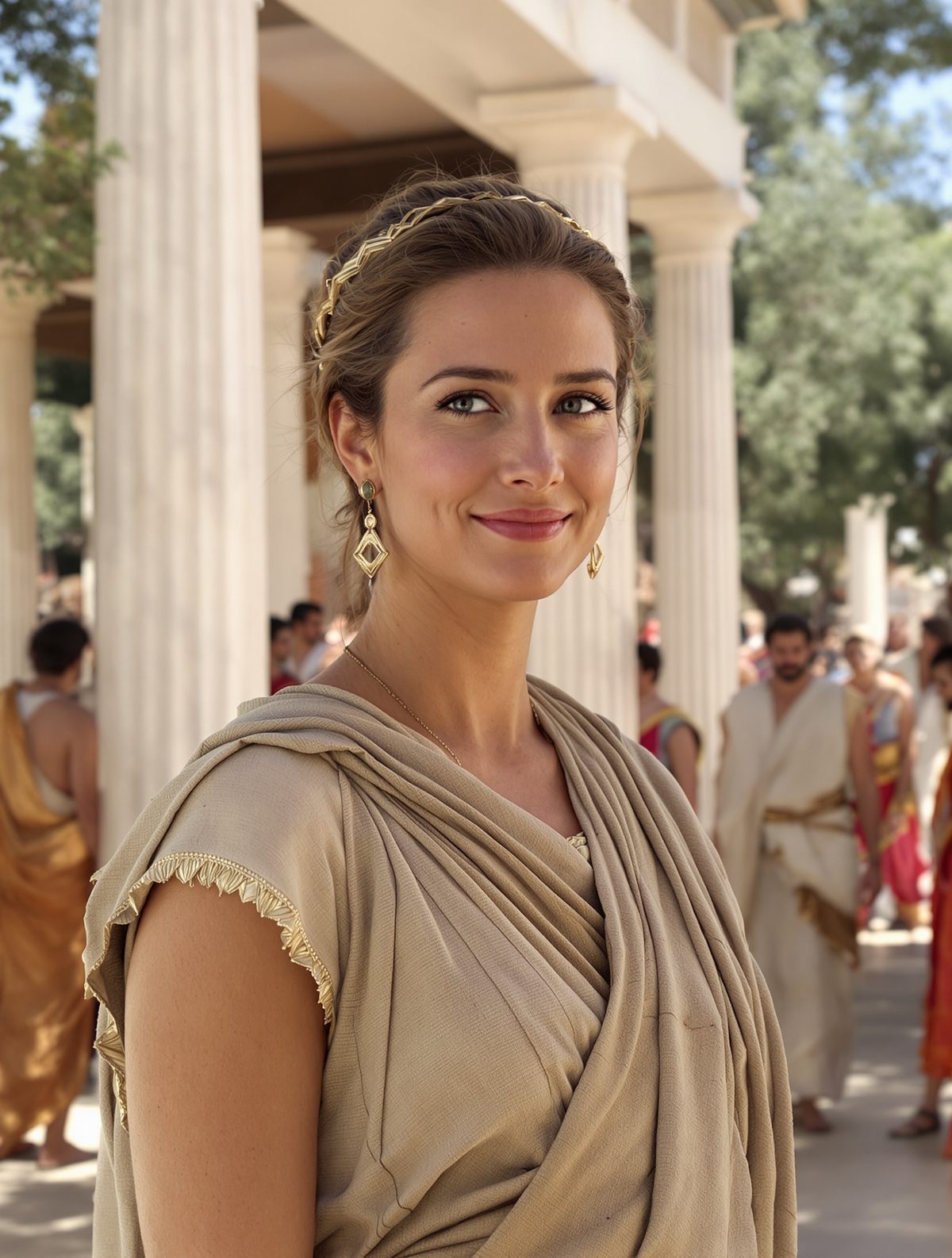
Picture this: the wealthiest heiress in Athens, draped in the finest silk and surrounded by marble columns, suddenly throws off her jewels, abandons her family's fortune, and chooses to sleep in the streets with a homeless philosopher. The year was 328 BC, and Hipparchia of Maroneia had just scandalized the entire Greek world with the most shocking love story of the ancient era.
While her aristocratic peers were busy arranging marriages to consolidate power and wealth, this rebellious young woman was about to rewrite the rules of love, philosophy, and what it meant to live authentically. Her story challenges everything we think we know about women in ancient Greece—and it all began with a chance encounter that would make her choose rags over riches.
The Golden Cage of Aristocracy
Hipparchia was born into the kind of wealth that most people in 4th century BC could only dream about. Her family hailed from Maroneia, a prosperous city in Thrace known for its wine trade and strategic position along ancient trade routes. When they relocated to Athens around 340 BC, they brought with them a fortune that placed them firmly among the city's elite.
In Athens, Hipparchia lived in a world of marble courtyards, imported silks, and servants who attended to her every need. Her days were structured around the expectations of aristocratic women: learning domestic skills, practicing refined arts like music and poetry, and most importantly, preparing for an advantageous marriage. Her parents had already begun entertaining suitors—wealthy merchants, ambitious politicians, and well-connected landowners who saw her dowry as a stepping stone to greater power.
But Hipparchia was different. Ancient sources describe her as intellectually curious and fiercely independent, qualities that would have been both admired and carefully controlled in her social circle. She had received an unusually good education for a woman of her time, partly because her brother Metrocles was a student of philosophy. Little did her family know that this connection would soon turn their world upside down.
Enter the Beggar Philosopher
Crates of Thebes was everything Hipparchia's family despised. Born around 365 BC, he had once been wealthy himself before making a radical choice: he gave away his entire inheritance—reportedly worth 200 talents, equivalent to millions in today's currency—and embraced the Cynic philosophy of living with absolutely nothing.
The Cynics weren't just philosophical theorists; they were ancient Greece's ultimate counterculture movement. Founded by Diogenes of Sinope, they believed that happiness came from virtue and self-sufficiency, not material possessions. They deliberately lived as outcasts, sleeping rough, begging for food, and shocking respectable society with their unconventional behavior. Crates had become one of the most prominent Cynics in Athens, instantly recognizable by his patched cloak and walking stick.
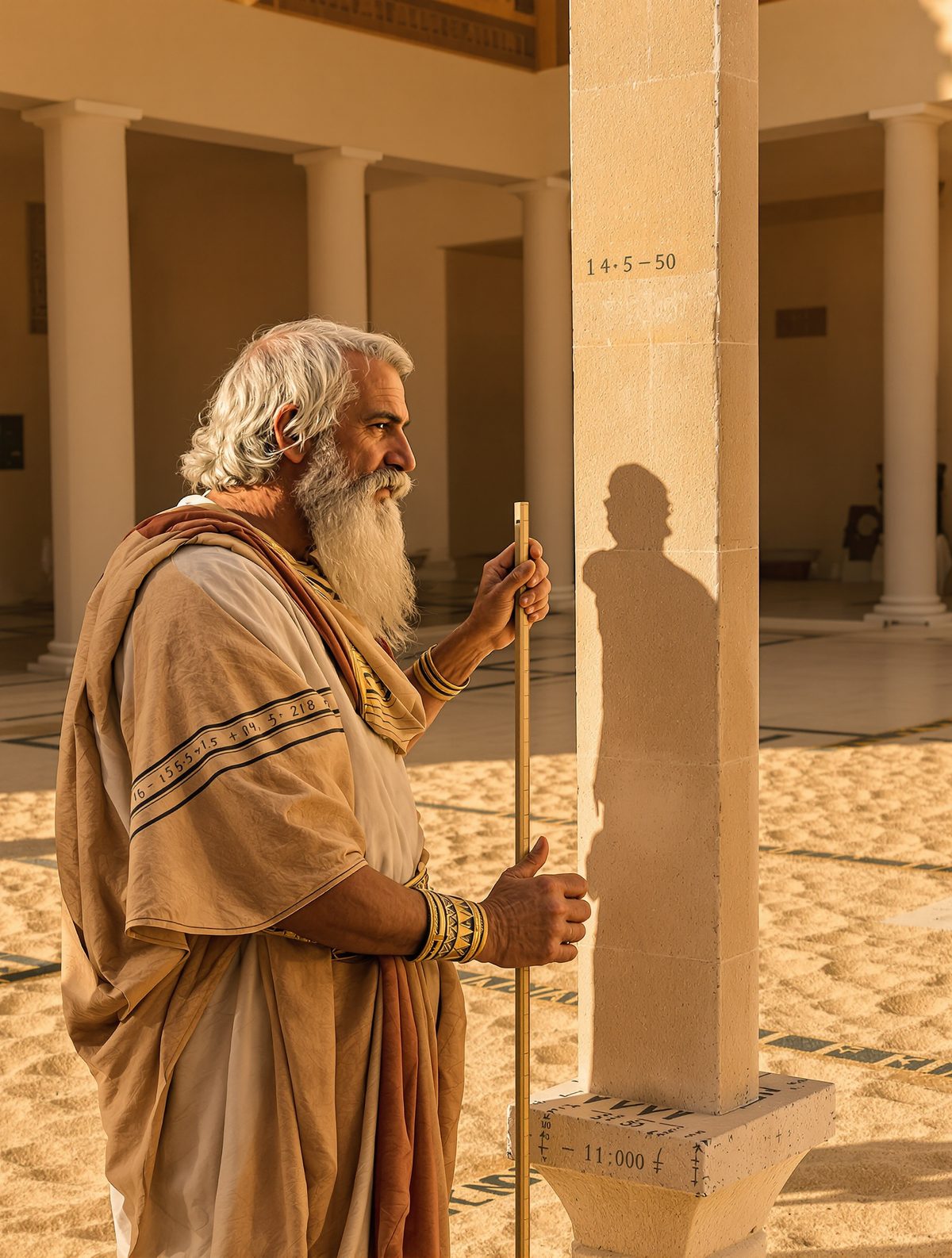
When Hipparchia first encountered Crates around 330 BC, he was likely giving one of his public lectures in the Agora, Athens' central marketplace. Picture the scene: a crowd gathered around this wild-haired philosopher in rags, speaking eloquently about freedom from material desires while aristocrats in fine clothing listened with a mixture of fascination and horror.
Crates wasn't conventionally attractive—ancient sources describe him as having a hunchback and generally disheveled appearance. But Hipparchia was captivated by his mind, his fearless authenticity, and his radical ideas about what constituted a meaningful life. Here was a man who had voluntarily given up everything she took for granted, yet seemed more genuinely free than anyone in her privileged circle.
The Ultimatum That Shook Athens
What happened next reads like ancient Greek drama. Hipparchia announced to her horrified family that she intended to marry Crates and adopt his lifestyle. Her parents were beyond appalled—they were witnessing their daughter's complete social suicide.
The family tried everything. They offered her greater dowries, introduced her to more prestigious suitors, and when persuasion failed, they reportedly locked her in her room. Ancient historians record that Hipparchia threatened to kill herself unless she was allowed to marry Crates. This wasn't teenage rebellion—this was a calculated decision by a young woman who had found something worth sacrificing everything for.
Desperate, her parents enlisted Crates himself to dissuade her. In a move that reveals both his honesty and his testing of her resolve, Crates literally stripped naked in front of Hipparchia and said, "Here is your bridegroom and his possessions; choose accordingly, for you cannot be my partner unless you adopt my way of life."
Her response became the stuff of legend: she immediately declared that she had chosen wisely and was prepared to share his life completely.
Love in the Streets of Athens
The wedding itself was revolutionary. Instead of the elaborate ceremony befitting her status, Hipparchia and Crates were married in the Agora—the marketplace—surrounded by merchants, philosophers, and curious onlookers rather than aristocratic guests. She traded her silk robes for a rough cloak identical to his, gave away her jewelry, and walked out of her family's house forever.
Their married life was unlike anything the ancient world had seen. They slept wherever they could find shelter—under porticoes, in temple courtyards, or simply in the open air. They begged for food, engaged in public debates, and lived according to Cynic principles that shocked conventional society. Most scandalously for the time, they reportedly made love in public, arguing that if the act wasn't shameful, there was no reason to hide it.
But this wasn't just a philosophical stunt. Ancient sources reveal that theirs was a genuinely loving partnership. Hipparchia became the first recorded female Cynic philosopher, attending symposiums, engaging in public debates, and writing philosophical works (sadly, none survive today). She wasn't just Crates' wife; she was his intellectual equal and philosophical partner.
They had at least one child, a son whom they raised according to Cynic principles. Stories tell of how they would test his character and resilience, preparing him for a life that valued inner strength over external comfort.
The Woman Who Challenged Everything
Hipparchia's impact went far beyond her unconventional marriage. In a society where women were expected to remain largely invisible in public life, she became a prominent public intellectual. She attended the traditionally male symposiums, debated with prominent philosophers, and reportedly once outwitted a critic named Theodorus the Atheist so thoroughly that he tried to remove her cloak in humiliation—only to be further humiliated when she showed no shame.
Her very existence challenged fundamental assumptions about gender, class, and social order. Here was a woman who had voluntarily descended from the heights of society to its very bottom, yet appeared more liberated and authentic than those who remained in their golden cages. She proved that a woman could choose her own path, even when that path horrified everyone around her.
The couple became celebrities of sorts in Athens, famous not just for their radical lifestyle but for the obvious happiness and deep partnership they shared. Ancient writers, even those who disapproved of their philosophy, couldn't deny the strength of their bond.
Hipparchia lived until around 280 BC, spending nearly five decades as a homeless philosopher. She never returned to her family's wealth, never expressed regret for her choice, and never stopped challenging social conventions through her very existence.
Why Hipparchia Still Matters
In our age of social media perfection and material obsession, Hipparchia's story feels remarkably contemporary. She was a woman who chose authenticity over appearance, love over security, and personal fulfillment over social expectations. She walked away from inherited privilege to create her own definition of success.
Her story also challenges our assumptions about the ancient world. While we often think of ancient Greek women as powerless and confined, Hipparchia shows us that even in the most restrictive societies, some individuals found ways to live on their own terms. She wasn't just rebelling against her parents—she was rebelling against an entire social system that valued people based on their possessions rather than their character.
Perhaps most powerfully, Hipparchia's life poses a question that remains relevant today: what does it mean to be truly wealthy? She traded material abundance for something she valued more—intellectual freedom, authentic love, and the ability to live according to her deepest convictions. In doing so, she became one of history's most radical examples of someone who chose to define success for herself rather than accepting society's definition.
The aristocrat who chose rags over riches reminds us that the most revolutionary act might simply be deciding to live authentically, regardless of what others expect or demand. Her love story with Crates wasn't just about romance—it was about two people brave enough to create an entirely new way of being human.