Picture this: It's 730 BC, and you're a proud Egyptian pharaoh who has just been conquered by a foreign king. Your armies have fallen, your cities have surrendered, and now you must travel hundreds of miles south to bow before your new overlord. But there's a catch—before you can even enter his presence, you must prove you haven't eaten fish in weeks. Fish! The very sustenance that has fed your people along the Nile for millennia is now the barrier between you and political survival.
This bizarre scene wasn't fiction—it was the reality facing Egyptian rulers when King Piye of Kush swept north to conquer the ancient world's most powerful empire. While most conquerors demand gold, territory, or tribute, Piye had an unusual prerequisite for surrender: strict adherence to his religious dietary laws. This fascinating quirk nearly derailed one of history's most remarkable conquests, when a Nubian king from the south became pharaoh of Egypt while simultaneously building what would become one of the ancient world's most impressive tombs.
The Black Pharaoh's Unusual Weakness
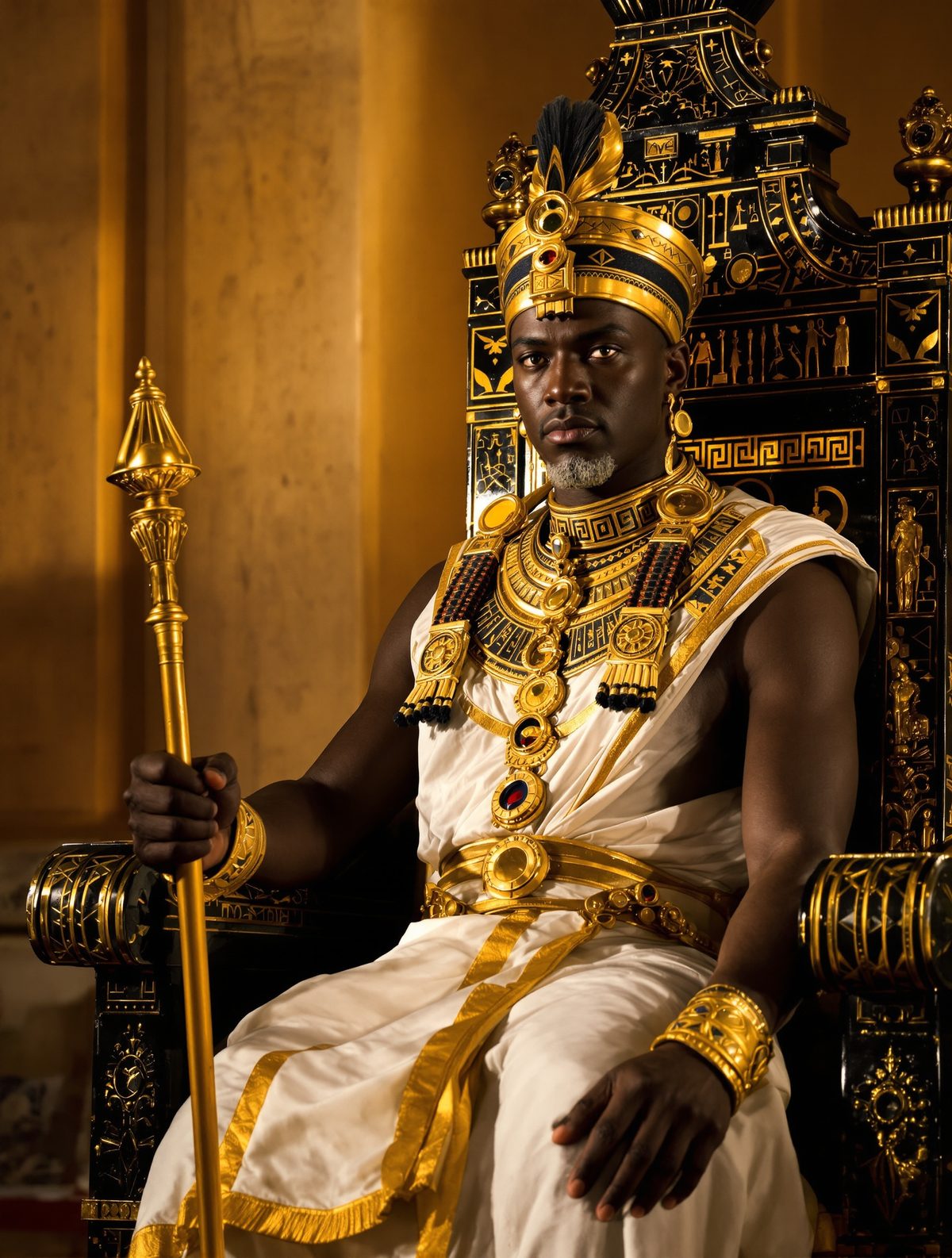
King Piye ruled the Kingdom of Kush from his capital at Napata, in what is now Sudan, around 747-714 BC. Unlike the stereotypical image of ancient African kingdoms that many people hold, Kush was a sophisticated empire with extensive trade networks, advanced metallurgy, and monumental architecture that rivaled Egypt itself. Piye's kingdom controlled the gold mines and ivory trade routes that Egypt desperately needed, giving him tremendous leverage over his northern neighbor.
But Piye had one peculiar obsession that baffled his contemporaries and nearly cost him his empire: an absolute revulsion to fish and anyone who consumed them. This wasn't merely a personal preference—it was a deeply held religious conviction tied to Kushite interpretations of Egyptian religious practices. While Egyptians had long worshipped fish gods and considered certain fish sacred, the Kushites took this reverence to an extreme, viewing fish consumption as a form of sacrilege.
According to ancient inscriptions found on the "Victory Stela of Piye" at the Nubian temple of Gebel Barkal, the king refused to meet with several Egyptian rulers specifically because they ate fish. The stela records Piye's words: "I will not see them because they are eaters of fish, which is an abomination to the palace." Imagine being so committed to your dietary principles that you'd risk losing control over the ancient world's wealthiest empire!
A Conqueror's Dilemma: Purity Versus Politics
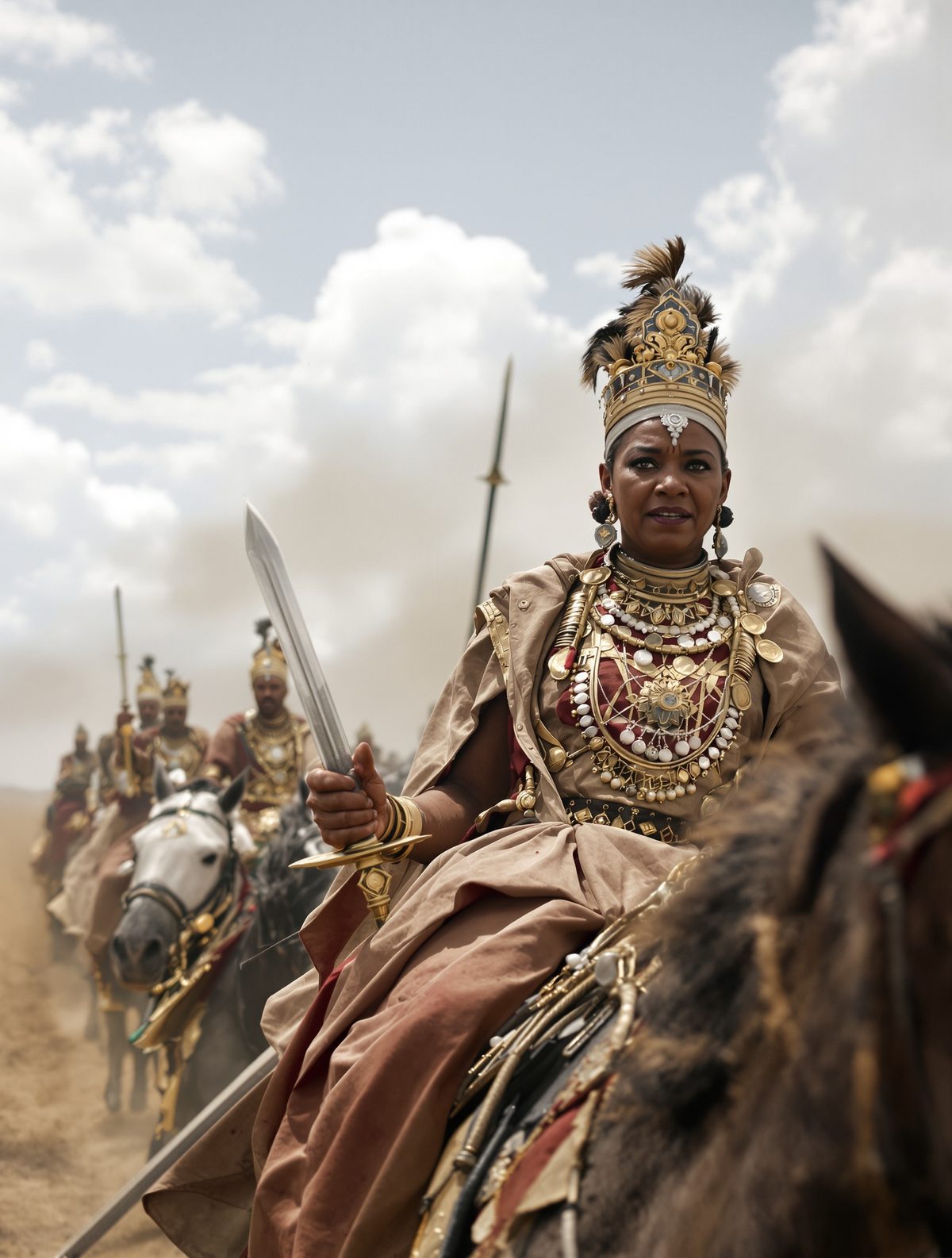
The political ramifications of Piye's fish phobia became apparent during his conquest of Lower Egypt around 728 BC. As Egyptian city after city fell to his armies, local rulers sought to negotiate surrender terms. But instead of the usual discussions about tribute and governance, these meetings turned into bizarre interrogations about dietary habits.
The conquered pharaoh Osorkon IV of Tanis, for instance, had to undergo what amounted to a religious purification process before Piye would accept his submission. Historical records suggest that Egyptian rulers were forced to swear oaths about their eating habits and undergo ritual cleansing periods. Some accounts indicate that certain pharaohs had to wait weeks in Piye's camps, eating only approved foods, before they could formally surrender their kingdoms.
This created a logistical nightmare for Piye's military campaigns. While his armies were perfectly capable of conquering Egyptian cities through force, the political integration of these territories stalled as the king refused to meet with "impure" rulers. His own advisors reportedly grew frustrated, watching conquered territories remain in administrative limbo while their king maintained his dietary principles.
Building a Tomb Fit for Two Kingdoms
Even as Piye navigated the complexities of conquering Egypt while maintaining his religious convictions, he was simultaneously overseeing one of ancient Africa's most ambitious construction projects: his own tomb. Unlike Egyptian pharaohs who built pyramids in the desert, Piye chose to construct his final resting place at Nuri, across the Nile from his capital at Napata.
The tomb, designated Nu. 17 by modern archaeologists, was revolutionary in its design. Standing at approximately 30 meters wide at its base, it combined traditional Kushite burial practices with Egyptian pyramid construction techniques. But here's the remarkable part: Piye was actively directing its construction while conducting military campaigns hundreds of miles away. Archaeologists have found evidence that construction materials were shipped up and down the Nile, and that Egyptian craftsmen captured during the conquest were put to work on the tomb.
The tomb's burial chamber contained a fascinating mix of Egyptian and Kushite religious symbols, suggesting that Piye saw himself not as a foreign conqueror but as the rightful heir to both kingdoms' traditions. Gold leaf decorations, intricate wall paintings, and burial goods reflected the wealth of his conquests, while the pyramid's orientation and internal structure followed distinctly Nubian customs.
When Dietary Laws Nearly Lost an Empire
The most dramatic test of Piye's convictions came during the siege of Memphis around 728 BC. The city's defenders, led by the pharaoh Tefnakht, had prepared for a long siege. But when Memphis finally fell, Tefnakht fled north rather than face the humiliation of Piye's dietary interrogation. This created a dangerous precedent—other Egyptian rulers began to realize they could avoid submission by simply continuing to eat fish and remaining "unclean" in Piye's eyes.
For several months, Piye controlled most of Egypt militarily but couldn't establish legitimate political authority because he refused to accept surrenders from "impure" rulers. His armies occupied cities, but the previous administrators remained technically in rebellion simply by maintaining their normal diets. It was a bizarre stalemate that could have collapsed his entire conquest.
The crisis was finally resolved when several Egyptian priests, recognizing the political reality, convinced their pharaohs to undergo purification rituals. These ceremonies, combining Egyptian and Kushite religious practices, allowed the fish-eating pharaohs to become "clean" enough for Piye to accept their submissions. The compromise saved the conquest, but it also established a precedent for religious flexibility that would characterize the entire Twenty-Fifth Dynasty.
The Legacy of an Unlikely Pharaoh
Piye's conquest established the Twenty-Fifth Dynasty, often called the "Black Pharaoh" period, which ruled Egypt for nearly a century. Despite his unusual dietary restrictions, he proved to be an effective ruler who revived Egyptian art, architecture, and religious practices that had declined during previous periods of political instability. His successors continued the tradition of ruling both Egypt and Kush while maintaining distinctly Nubian cultural practices.
The tomb at Nuri became the first in what would grow into a royal cemetery containing more pyramids than anywhere else in the world—more even than Egypt itself. Piye's pyramid was joined by those of his successors, creating a lasting monument to Nubian achievement that challenges common assumptions about ancient African civilizations.
Archaeological evidence suggests that Piye's dietary restrictions weren't just personal eccentricity but part of a broader Kushite identity that distinguished their civilization from their Egyptian neighbors. While they adopted many Egyptian practices, the Kushites maintained their own religious interpretations and cultural customs, creating a unique blend of African traditions.
Why This Matters Today
Piye's story reveals how personal convictions—even seemingly trivial ones like dietary restrictions—can shape the course of empires. In our modern world of international diplomacy, cultural misunderstandings and religious differences continue to complicate political relationships. The image of Egyptian pharaohs desperately trying to prove they hadn't eaten fish seems almost comical, but it reflects the very real challenges that arise when different belief systems collide in positions of power.
More importantly, Piye's conquest challenges persistent misconceptions about ancient Africa. Here was a sophisticated kingdom that successfully conquered Egypt—not through primitive warfare, but through superior organization, resources, and military strategy. The fact that this remarkable civilization has been largely forgotten in popular history says more about modern biases than ancient realities.
Perhaps most intriguingly, Piye's story suggests that even the most successful leaders can be prisoners of their own principles. His fish phobia nearly cost him an empire, but his unwillingness to compromise on his beliefs also helped preserve Kushite identity during their rule over Egypt. Sometimes our greatest weaknesses and our greatest strengths spring from the same source—the courage to remain true to our convictions, even when they seem to make no practical sense to anyone else.